Blog

image

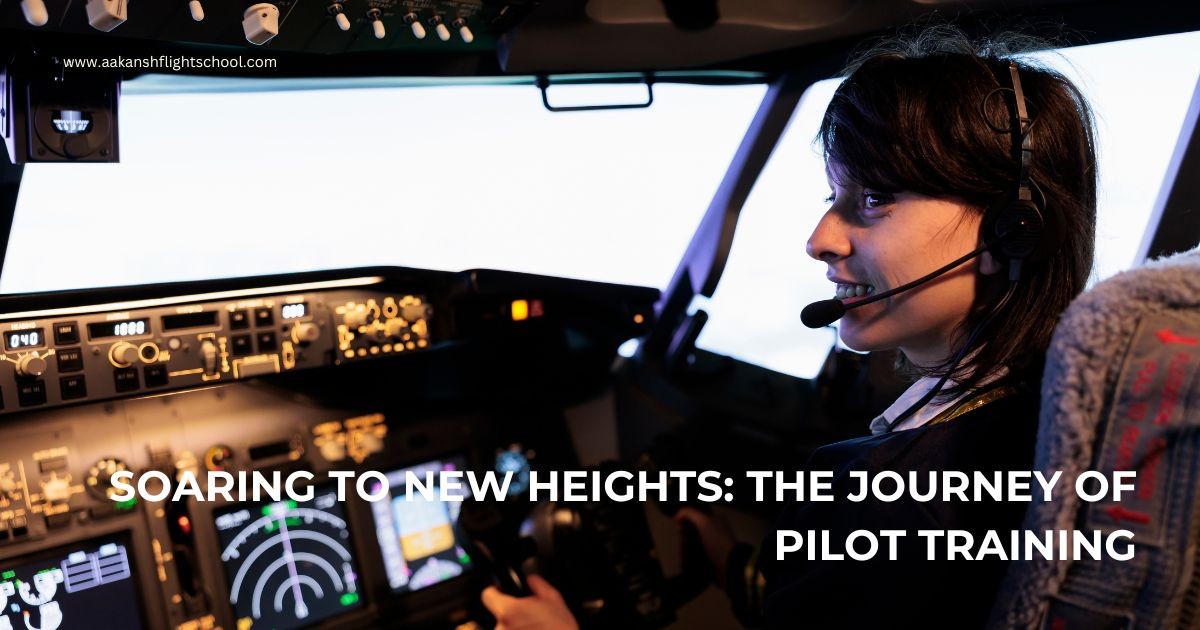
Soaring to New Heights: The Journey of Pilot Training

In the vast expanse of the sky, where the clouds paint a canvas of infinite possibilities, a select group of individuals embark on a journey like no other – the journey of pilot training. Becoming a pilot is a dream that has captured the imagination of many, and the path to achieving this dream is both challenging and rewarding. In this blog, we will delve into the world of pilot training, exploring the rigorous process, the skills required, and the unparalleled sense of freedom that comes with mastering the art of flight. The Beginning: The journey to becoming a pilot often starts with a passion for aviation. Whether inspired by the mesmerizing sight of airplanes soaring overhead or a fascination with the mechanics of flight, aspiring pilots set their sights on the skies. Formal pilot training typically begins with enrollment in a flight school, where students undergo a structured curriculum…
image

A Skyward Odyssey: Charting the Course of a Pilot’s Professional Journey

A Skyward Odyssey: Charting the Course of a Pilot's Professional Journey Embarking on a career as a pilot is a journey that takes individuals to new heights, both literally and figuratively. The allure of commanding an aircraft and traversing the skies is a dream that captivates many. In this blog, we will explore the exciting and challenging world of a pilot's career, from the initial aspirations to the rigorous training and the fulfillment of navigating the vast expanse of the sky. 1. The Dream Takes Flight: Aspiring to Become a Pilot    Passion for the Skies:The journey begins with a profound passion for aviation. Many pilots trace their fascination with flying back to childhood, where the sight of airplanes in the sky sparked an unyielding desire to be in the cockpit.   Educational Requirements: Aspiring pilots typically start by obtaining a high school diploma and then pursue further education in aeronautical…
image

Soaring High: Exploring the Advantages of a Career as a Pilot

Soaring High: Exploring the Advantages of a Career as a Pilot Flying has always captivated the human imagination. The notion of taking to the skies, navigating through clouds, and traversing vast distances has long been romanticized. For many, this fascination translates into a desire to pursue a career as a pilot. Beyond the thrill of flight itself, the profession offers a multitude of advantages that appeal to individuals seeking a dynamic and rewarding career path. In this blog post, we'll explore some of the key advantages of embarking on a career as a pilot. 1. Adventure and Excitement: Perhaps the most obvious advantage of a career as a pilot is the unparalleled sense of adventure and excitement that comes with it. Pilots have the privilege of experiencing breathtaking views from thousands of feet above the ground, witnessing stunning sunrises and sunsets, and navigating through ever-changing weather patterns. Every flight presents…
image

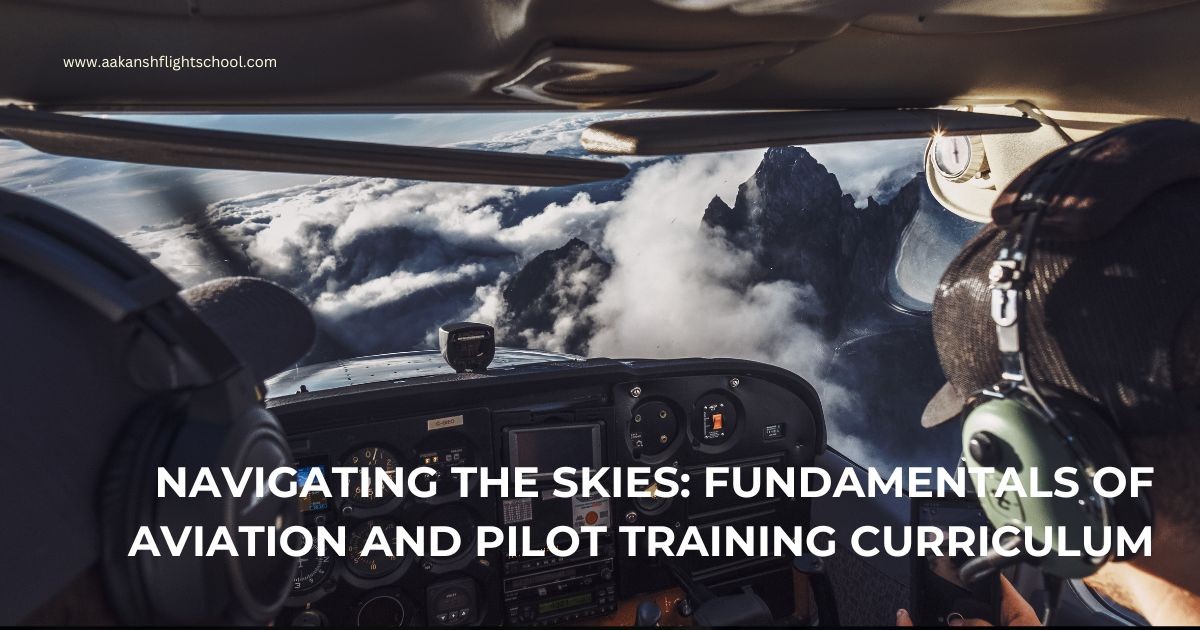
Navigating the Skies: Fundamentals of Aviation and Pilot Training Curriculum

Aviation is a realm that captures the imagination of many, offering the exhilarating prospect of soaring through the skies. Behind every aircraft's graceful glide lies meticulous training, skill, and expertise of a pilot. Embarking on a journey to become a pilot entails rigorous training encompassing a diverse array of subjects and practical experiences. In this blog, we delve into the fundamentals of aviation, providing an overview of the pilot training curriculum. Understanding Aviation Fundamentals: Aviation is a multifaceted domain that integrates various disciplines, including aerodynamics, meteorology, navigation, and aircraft systems. These fundamentals form the cornerstone of pilot training, ensuring aspiring aviators grasp the intricacies of flight. Aerodynamics: A thorough comprehension of aerodynamics is essential for pilots to understand how aircraft generate lift, manage drag, and maintain stability in flight. Concepts such as Bernoulli's principle, airfoil design, and the four forces of flight (lift, weight, thrust, and drag) are central to…
image

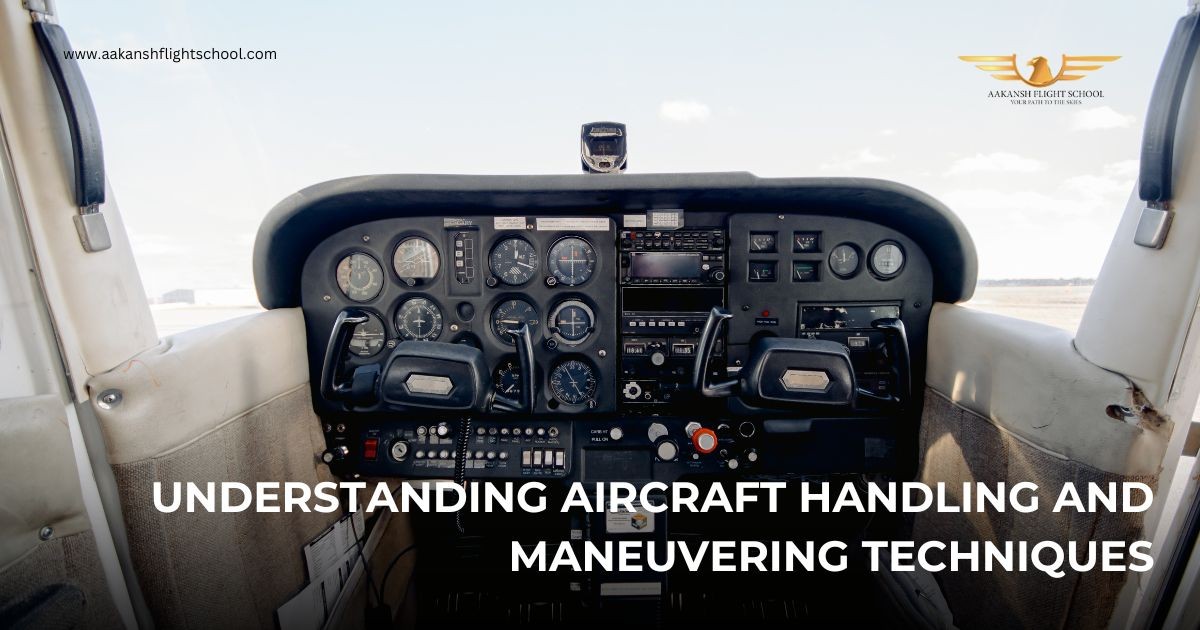
Mastering Flight Controls Understanding Aircraft Handling and Maneuvering Techniques

Flying an aircraft is a mesmerizing experience that captures the imagination of many. However, behind the sheer beauty of soaring through the skies lies a complex interplay of physics, engineering, and skillful control. Mastering flight controls is a crucial aspect of becoming a proficient pilot. In this blog, we'll delve into the fundamentals of aircraft handling and maneuvering techniques, exploring the principles that govern flight and the skills required to navigate the skies with precision and confidence. Understanding Aircraft Control Surfaces: Before we delve into maneuvering techniques, let's familiarize ourselves with the primary control surfaces of an aircraft. These include: Ailerons: Located on the trailing edge of the wings, ailerons control roll by moving in opposite directions. When one aileron moves up, the other moves down, causing the aircraft to roll left or right. Elevator: Positioned on the horizontal stabilizer, the elevator controls pitch. Moving the elevator up or down…

Apply now